

Removing Sweat Stains from Dress Shirts Without Breaking a Sweat
Why Removing Sweat Stains from Dress Shirts Is Easier Than You Think
Removing sweat stains from dress shirts is something most professionals deal with at some point — and the good news is you don’t need to throw out your favorite shirt to fix it.
Here’s a quick answer to get you started:
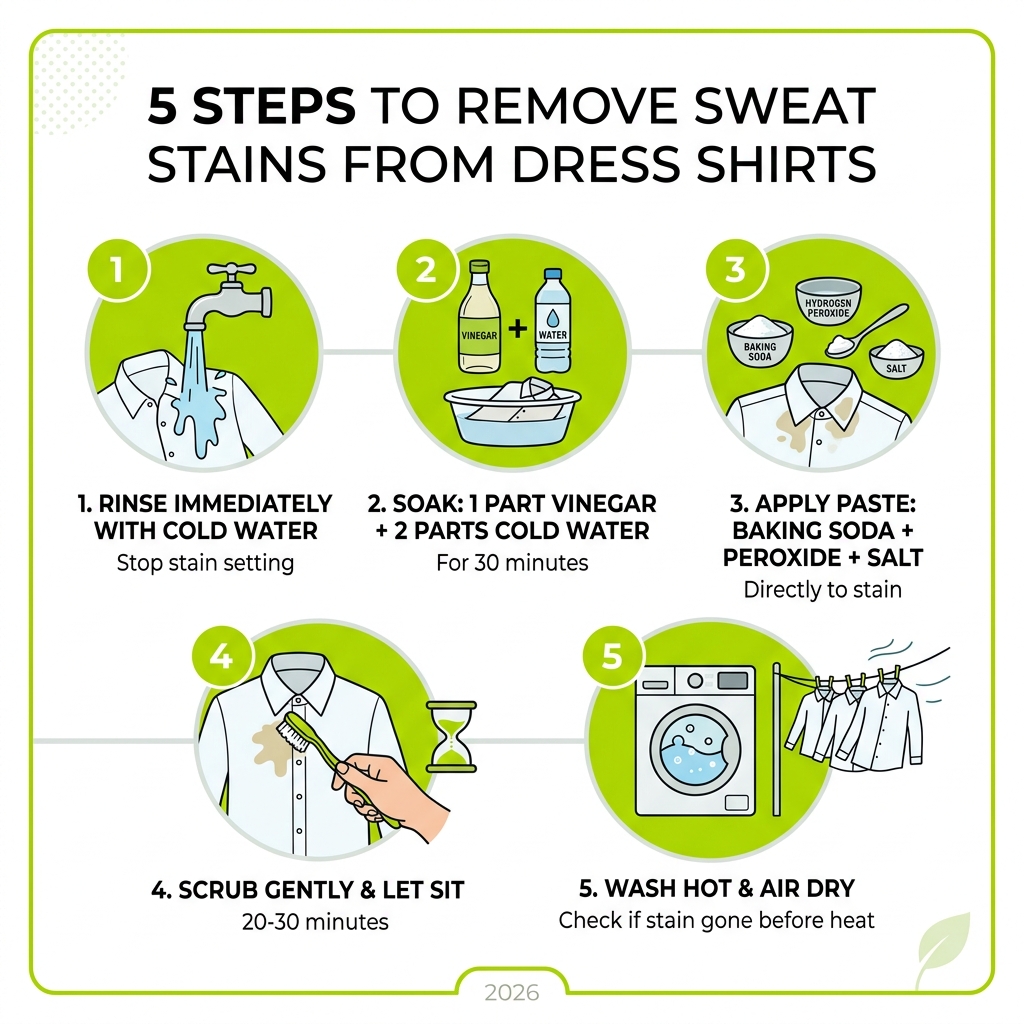
How to remove sweat stains from dress shirts (5 steps):
- Rinse immediately with cold water to stop the stain from setting
- Soak the stained area in 1 part white vinegar + 2 parts cold water for 30 minutes
- Apply a paste of 4 tbsp baking soda + 1 tbsp hydrogen peroxide + 1 tbsp salt directly to the stain
- Scrub gently with a soft-bristle toothbrush and let sit for 20-30 minutes
- Wash on the hottest cycle safe for the fabric — then air dry (never use the dryer until the stain is fully gone)
Those yellowish marks under the arms or around the collar aren’t just sweat. They’re the result of perspiration mixing with aluminum compounds in antiperspirants, body oils, and bacteria — all of which bond to fabric fibers over time. The longer you wait, the harder they are to remove.
The dryer is your biggest enemy here. Heat permanently sets stains into fabric. Always air dry and check before applying any heat.
I’m Salvador Villarreal, owner of VIP Cleaners and Laundry and a dry cleaning professional with over 25 years of hands-on garment care experience — including tackling countless cases of removing sweat stains from dress shirts for San Diego’s busy professionals. In this guide, I’ll walk you through every method, fabric type, and situation so you can rescue your shirts with confidence.
Removing sweat stains from dress shirts basics:
The Science of Removing Sweat Stains from Dress Shirts
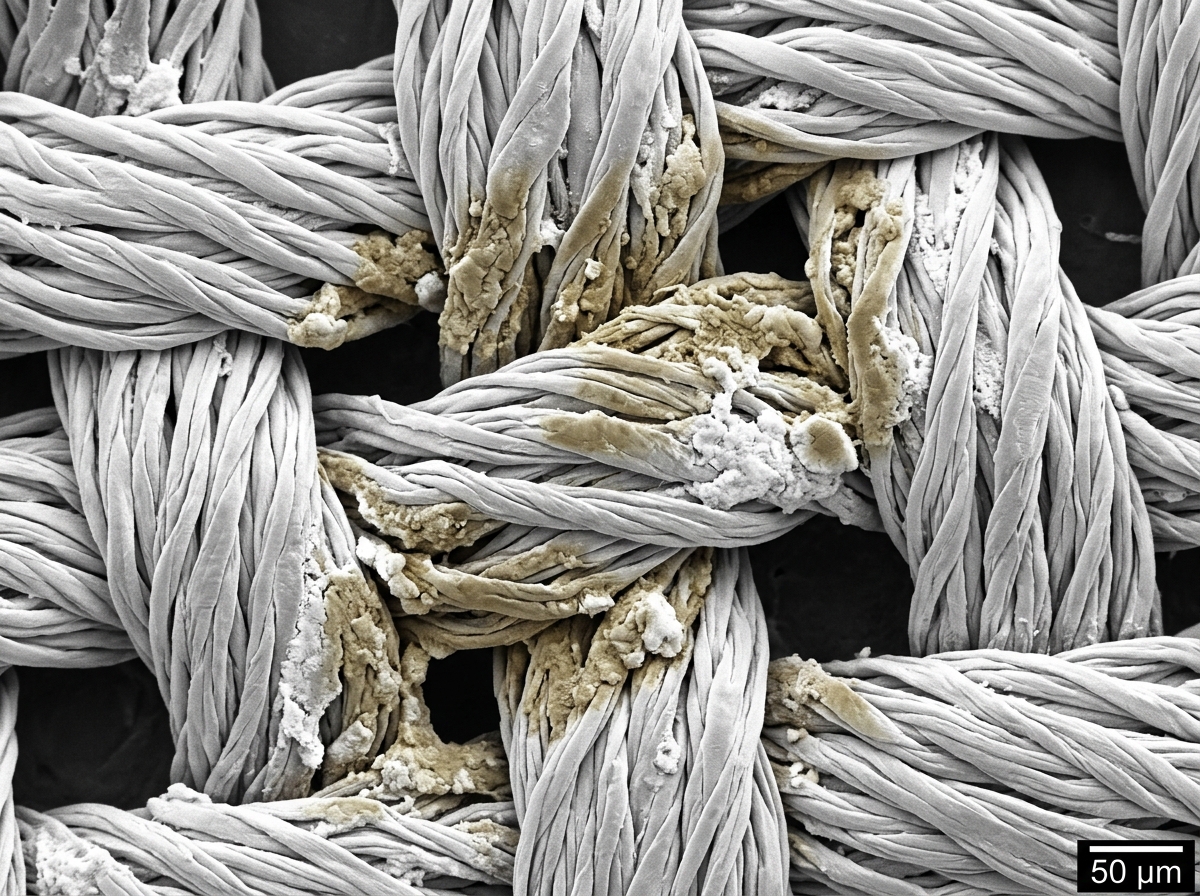
To truly master removing sweat stains from dress shirts, we have to understand what we are fighting. Most people assume the yellowing is just “dried sweat,” but pure sweat is actually colorless and odorless. The culprit is a complex chemical reaction involving water, fats, proteins, and salts found in your perspiration.
When these elements meet the ingredients in your grooming products, they create a stubborn residue that embeds itself deep within the fabric fibers. Over time, this mixture oxidizes, turning that dreaded shade of yellow. This is why a simple wash cycle often fails; you aren’t just washing away dirt, you’re trying to break a chemical bond.
Why deodorants make removing sweat stains from dress shirts harder
If you use an antiperspirant, you likely have aluminum or zirconium compounds to thank for your dry underarms. However, these same metals are the primary cause of yellow discoloration. When aluminum salts mix with the electrolytes in your sweat, they form a “glue” that binds to cotton and synthetic fibers.
This buildup alters the pH level of the fabric in the armpit area, making it stiff and resistant to standard detergents. It’s a bit of a catch-22: the product you use to stop sweating is often the very thing that ruins the shirt.
The role of bacteria and oxidation
It isn’t just chemistry; it’s biology. Your skin is home to bacteria that feast on the proteins and lipids in your sweat. As they break these down, they produce the odors we associate with “BO.” Furthermore, the “ring around the collar” you see on many dress shirts is often a mixture of sweat, dead skin cells, and melanin pigment.
When you leave a shirt in the hamper for a week, these substances undergo oxidation. Much like a sliced apple turns brown when exposed to air, the organic matter on your collar and cuffs darkens and hardens. If you then toss that shirt in a hot dryer, you effectively “bake” those proteins into the garment, making removing sweat stains from dress shirts significantly more difficult.
Step-by-Step Guide to Eliminating Fresh Stains
If you catch a stain early, your success rate is nearly 100%. At VIP Cleaners and Laundry, we’ve found that the best first step for dress shirt stain removal is a simple vinegar soak. Distilled white vinegar is a mild acid that helps break down the mineral and protein bonds before they become permanent.
Removing sweat stains from dress shirts with household items
You don’t need a lab full of chemicals to save your wardrobe. Most of the best tools are already in your pantry. For a standard cotton button-down, our San Diego dress shirt laundry service recommends this household “power trio”:
- Baking Soda: Acts as a gentle abrasive and odor neutralizer.
- Hydrogen Peroxide: A natural bleaching agent that breaks down organic stains (use with caution on dark colors).
- Salt: Helps “pull” the moisture and pigment out of the fibers.
The Method: Mix 4 tablespoons of baking soda with 1/4 cup of warm water to create a thick paste. If the shirt is white, swap half the water for hydrogen peroxide. Rub this into the pits and collar using a soft-bristle toothbrush (not your actual toothbrush, please!). Let it sit for at least 30 minutes before rinsing with cold water.
| Ingredient | Best For | Action |
|---|---|---|
| White Vinegar | Fresh stains & Odors | Dissolves mineral salts |
| Baking Soda | Odor & Heavy buildup | Mechanical lifting of residue |
| Hydrogen Peroxide | Yellowing on Whites | Oxidizes organic matter |
| Dish Soap | Greasy collar stains | Breaks down body oils |
Proper washing and drying techniques
Once you’ve pre-treated the area, it’s time for the machine. According to Good Housekeeping experts, you should use the hottest water setting that is safe for the specific fabric. Heat helps the detergent enzymes work more effectively on proteins.
However—and this is the most important rule of removing sweat stains from dress shirts—never put the shirt in the dryer until you are certain the stain is gone. Dryer heat acts like an oven, setting the stain forever. Always hang the shirt to air dry and inspect the underarms in natural light. If you still see a shadow of yellow, repeat the treatment.
How to Tackle Stubborn or Set-In Yellow Stains
We’ve all found that one shirt at the back of the closet that looks like it’s seen better days. Set-in stains are tough, but they aren’t always a death sentence for the garment. When standard soaking fails, it’s time to bring out the heavier hitters.
Removing sweat stains from dress shirts that are set-in
For stains that have been through the dryer or sat for months, you need an extended soak. We often suggest a 24-hour immersion in a concentrated solution of oxygen-based bleach (like OxiClean). Unlike chlorine bleach, which can actually darken sweat stains by reacting with proteins, oxygen bleach is safer for the fabric and more effective at lifting deep discoloration.
Another “pro tip” from our dress-shirt-laundry-service is using crushed aspirin. Aspirin contains salicylic acid, which works similarly to vinegar but in a more concentrated form. Dissolve two or three uncoated aspirin tablets in half a cup of warm water, apply the paste to the stain, and let it sit overnight.
If the stain is particularly “crusty,” try meat tenderizer. It sounds strange, but meat tenderizer contains enzymes like papain that are designed to break down proteins—the exact same proteins found in your sweat. Dampen the stain, sprinkle the powder on, and let it work its magic for 30 minutes. If you’re in a rush, our same-day shirt laundry in San Diego can often handle these tough cases with professional-grade enzymes.
Specialized care for collars and French cuffs
“Ring around the collar” is a different beast entirely. This is usually a combination of sweat and sebum (body oil). To tackle this, reach for a grease-cutting dish soap or a dedicated laundry soap bar. Rub the soap directly onto the dry collar and use a soft brush to work it into the weave.
For those who wear French cuffs, the extra layers of fabric can trap sweat and starch, leading to stiff, yellowed edges. We recommend a targeted soak for the cuffs alone in a mix of vinegar and baking soda for at least two hours. This ensures the solution penetrates all layers of the cotton. Finding the best dress shirt laundry in San Diego means looking for a cleaner who pays attention to these specific high-contact areas.
Specialized Care for Different Fabrics and Colors
Not all dress shirts are created equal. A method that works for a rugged 100% cotton Oxford might ruin a delicate silk shirt or a high-end Italian blend.
White vs. colored dress shirt protocols
When removing sweat stains from dress shirts that are white, your primary goal is restoration of brightness. You can be more aggressive with hydrogen peroxide or even a very diluted lemon juice treatment followed by a few hours in the San Diego sun. Sunlight’s UV rays act as a natural, gentle bleach.
However, for colored shirts, you must be careful. Acids and peroxides can cause “fading” or “bleeding,” leaving you with a shirt that has no sweat stains but has two giant white circles under the arms. Always perform a “spot test” on the inside hem first. For colors, we recommend sticking to dress-shirt-laundry-service-near-me options that use color-safe oxygen boosters rather than harsh chemicals.
Handling delicate silk and luxury blends
Silk is a protein fiber, much like human hair. This means that the enzymes in “heavy-duty” detergents can actually eat away at the fabric itself. If you have a sweat stain on a silk shirt, do not scrub. Scrubbing silk can cause “chafing,” which permanently changes the texture and sheen of the fabric.
Instead, gently blot the area with a mixture of cool water and a few drops of white vinegar. If the stain persists, silk is best left to the professionals. At VIP Cleaners, we use eco-friendly solvents that lift oils without damaging the delicate structure of luxury blends. For more on the basics of high-end care, you can check out this video guide on how dry cleaning works to see why professional intervention is sometimes the safest bet.
Prevention and Maintenance Strategies
The best way to handle removing sweat stains from dress shirts is to never let them form in the first place. A few small changes to your routine can double the lifespan of your wardrobe.
Lifestyle changes to protect your wardrobe
- Switch to Aluminum-Free Deodorant: Since aluminum is the primary cause of yellowing, switching to a natural or aluminum-free version can stop the stains at the source.
- Wear an Undershirt: A high-quality cotton or moisture-wicking undershirt acts as a sacrificial barrier, absorbing the sweat and aluminum before they reach your expensive dress shirt.
- Apply Antiperspirant at Night: If you must use antiperspirant, apply it before bed. This gives the product time to plug your sweat ducts and dry completely, so it doesn’t rub off on your shirt the next morning.
- Launder Promptly: Don’t let your shirts sit in the hamper for a week. The sooner you get them to a San Diego dress shirt laundry service, the less time the stains have to oxidize.
For those dealing with excessive sweating, or craniofacial hyperhidrosis, using specialized sweat-shield undershirts can be a game-changer for protecting your collars and head-area fabrics.
When to retire a damaged shirt
Sometimes, despite our best efforts, a shirt is past its prime. Look for these three signs that it’s time to move on:
- Thinning Fabric: If the underarm area feels “crispy” or the fabric looks translucent, the chemical reactions have structurally weakened the cotton.
- Irreparable Odor: If the shirt smells fine when clean but immediately begins to stink the moment your body heat hits it, bacteria are trapped deep within the fibers.
- Permanent Fiber Degradation: If the yellow has turned to a brownish-grey and the fabric is stiff even after a vinegar soak, the fibers are likely scorched or permanently dyed.
Frequently Asked Questions about Sweat Stains
Should I use hot or cold water for sweat stains?
Always start with a cold water rinse for fresh stains. Sweat contains proteins, and hot water can “cook” those proteins, causing them to coagulate and stick to the fabric (much like an egg white hardens when heated). Once you have pre-treated the stain and broken the bond, you can then wash in warm or hot water to help the detergent lift the remaining oils.
Why did my white shirt turn darker after bleaching?
This is a common frustration! Chlorine bleach is a strong oxidizer. When it meets the proteins in sweat or the minerals in San Diego’s water, it can cause a chemical reaction that actually yellows or browns the fabric. This is why we always recommend oxygen-based bleaches for dress-shirt-laundry rather than standard chlorine bleach.
Can old stains from years ago be removed?
It is possible, but it requires patience. We have seen success with 48-hour soaks in concentrated oxygen bleach for shirts that have been in storage for years. However, the older the stain, the higher the risk that the fabric will tear during the cleaning process because the “acid” of the sweat has been eating at the fibers for years.
Conclusion
Removing sweat stains from dress shirts doesn’t have to be a chore that leaves you frustrated. With a little bit of science, some household staples like vinegar and baking soda, and a “never-dryer” policy, you can keep your professional wardrobe looking crisp for years.
Of course, we know that San Diego professionals are busy. If you don’t have the time to mix pastes and monitor soaking basins, let us handle it. VIP Cleaners and Laundry is proud to be a San Diego Magazine Best of 2025 winner, offering eco-friendly cleaning and same-day service. Whether you are in Point Loma, La Jolla, Poway, or Mission Valley, we offer free pickup and delivery to ensure your shirts get the professional dress shirt stain removal they deserve.
Ready to refresh your wardrobe? Schedule your pickup today and let us take the sweat out of your laundry day!