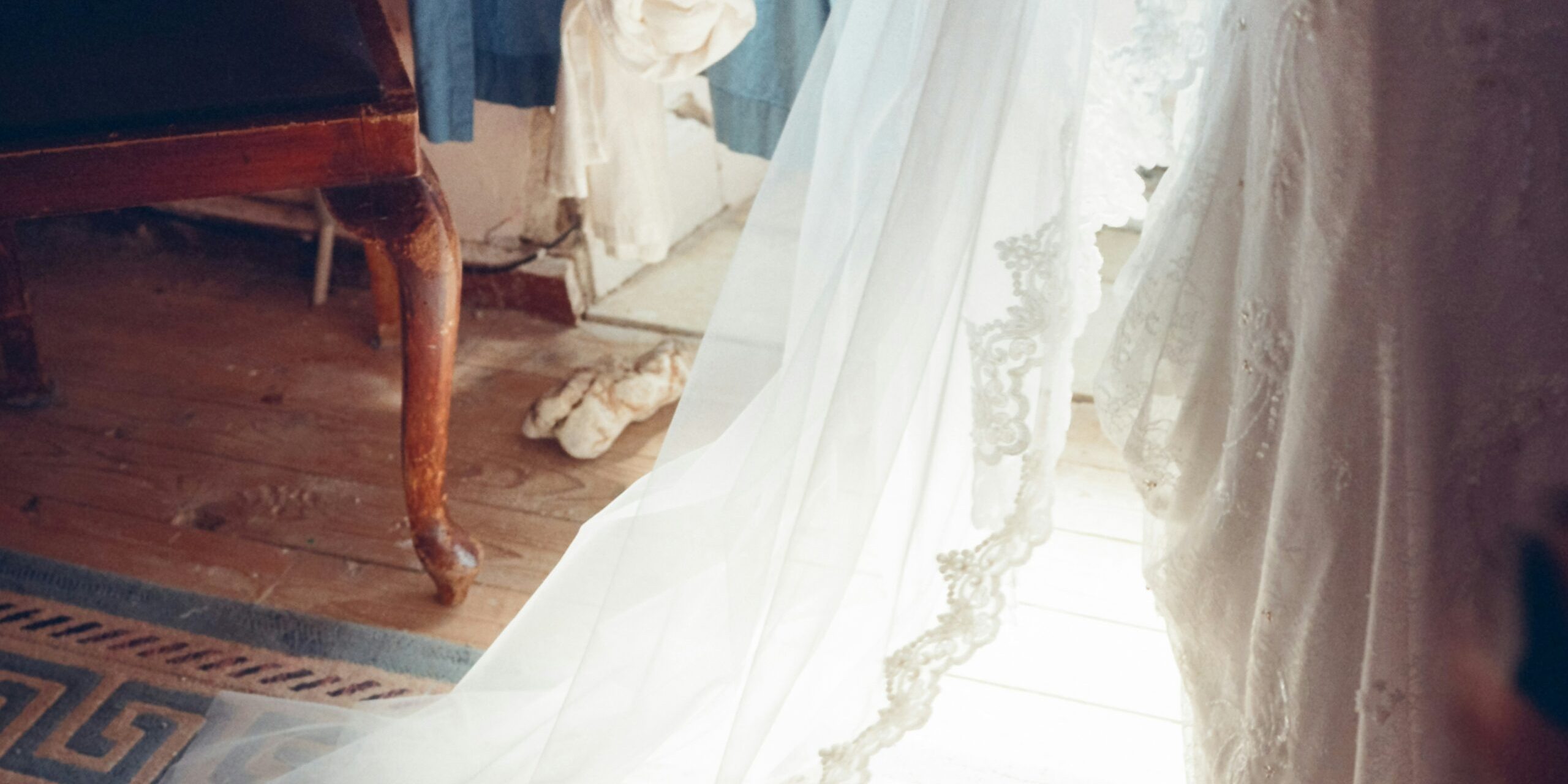
Vintage Vows: The Ultimate Guide to Restoring Heirloom Gowns
The Timeless Treasure of Heirloom Wedding Gowns
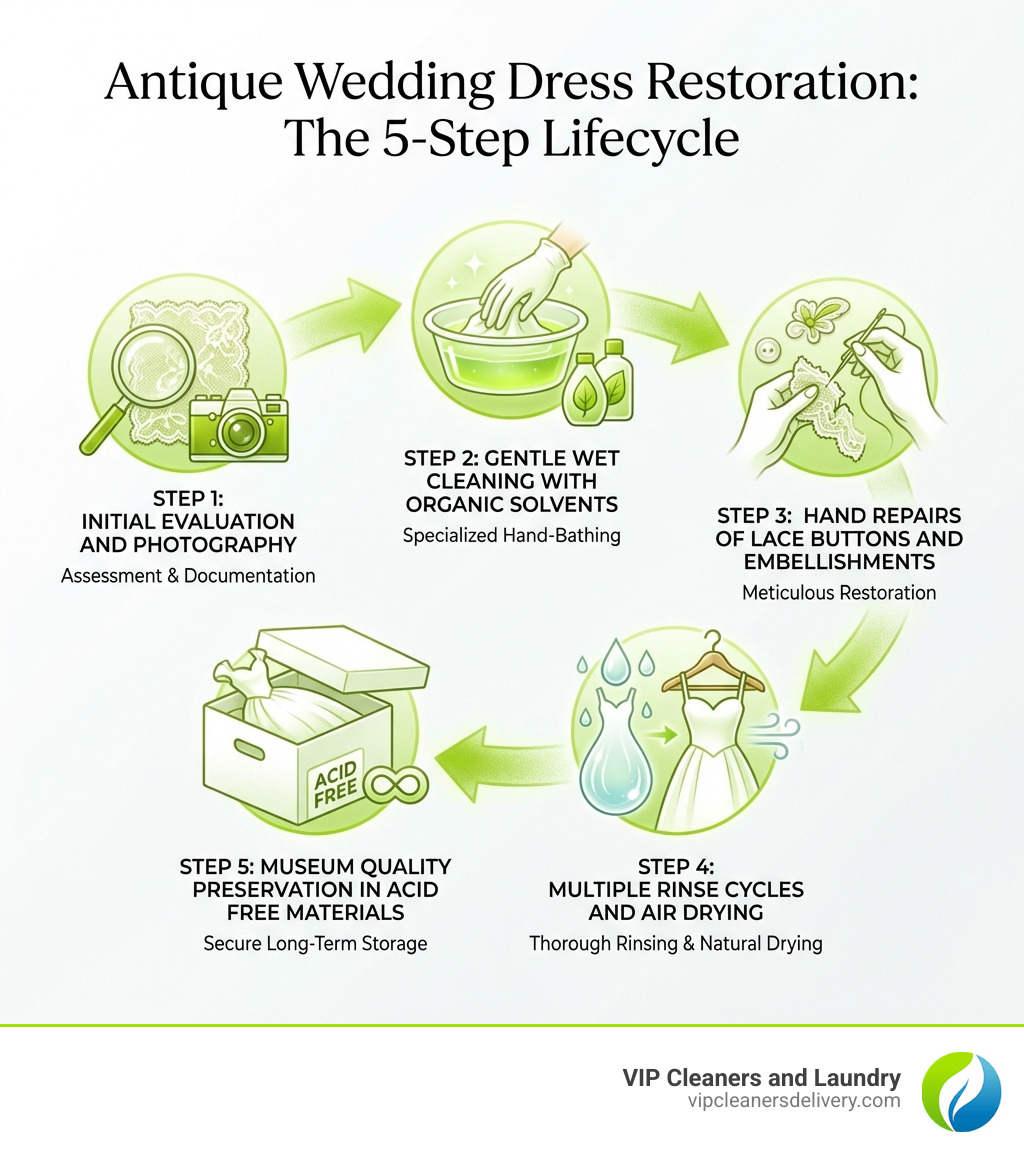
Antique wedding dress restoration is a specialized process that revives vintage and heirloom gowns through professional cleaning, stain removal, fabric repair, and preservation techniques. Unlike standard dry cleaning, restoration addresses yellowing, oxidation spots, fragile fabrics, and decades-old stains using gentle wet-cleaning methods, hand repairs, and museum-quality materials to return the gown to its original beauty.
Quick Guide to Restoring Your Vintage Gown:
- Evaluation – Professional assessment of fabric condition, stains, and damage
- Wet Cleaning – Gentle hand-bathing with organic solvents to remove yellowing and set stains
- Repairs – Restitching torn lace, replacing buttons, reinforcing weak fibers
- Preservation – Storage in acid-free materials with 100-year anti-yellowing guarantee
- Timeline – Expect 6-10 weeks for complete restoration
There’s something magical about wearing a family heirloom wedding dress. Whether it’s your grandmother’s 1950s lace gown or your mother’s silk vintage piece, these dresses carry stories of love and commitment across generations. But time takes its toll on delicate fabrics.
Yellowing from oxidation, mysterious brown spots called foxing, torn lace, and set-in stains from hairspray and perfume are common challenges that vintage gowns face. Many dresses that were carefully stored decades ago are now showing their age because older preservation methods simply don’t hold up.
The good news? Most antique wedding dresses can be restored to near-original condition through specialized techniques that go far beyond what standard dry cleaners offer. Professional restoration uses gentle wet-cleaning processes, hand repairs by trained seamstresses, and museum-quality preservation materials to bring these treasured gowns back to life.
But restoration isn’t just about cleaning. It’s about understanding the science of fabric aging, knowing which stains can be removed and which are permanent, and having the expertise to handle fragile materials without causing further damage. Restoration specialists trained by organizations like the Dry Cleaning and Laundry Institute bring decades of knowledge to this delicate work.
I’m Salvador Villarreal, and with over 25 years in the garment care industry, I’ve had the privilege of working with countless brides seeking to restore family treasures through antique wedding dress restoration services. As the proud owner of VIP Cleaners and Laundry (Best of San Diego Magazine 2025 winner), I’ve seen how proper restoration techniques can transform a yellowed, damaged gown into a stunning piece ready to be worn again or preserved for future generations.
Relevant articles related to antique wedding dress restoration:
- wedding dress cleaning
- average cost to preserve wedding dress
- average cost of dry cleaning a wedding dress
The Art and Science of Antique Wedding Dress Restoration
Restoration is a labor of love that combines historical knowledge with modern chemistry. When we talk about antique wedding dress restoration, we aren’t just talking about a quick spin in a machine. We are talking about reversing decades of environmental damage while maintaining the structural integrity of the garment.
Unlike standard cleaning, restoration focuses on the “life” of the fabric. Over 50, 70, or 100 years, natural fibers like silk, cotton, and linen begin to break down. A restoration specialist must act as both a scientist and a historian, evaluating the textile weave and lace condition before a single drop of solvent touches the dress. This museum-quality approach ensures that the gown doesn’t just look clean—it remains stable enough to be worn or displayed. For those curious about the basics, our Wedding Dress Cleaning Complete Guide offers a great foundation, while institutions like the V&A Museum provide deep insights into the rigorous standards of textile conservation.
Distinguishing Restoration from Standard Dry Cleaning
Many brides ask us why they can’t just take their grandmother’s gown to a neighborhood cleaner. The answer lies in the process. Standard dry cleaning uses a “one-size-fits-all” approach that can be too aggressive for aged fibers. Restoration, however, often involves “chemical whitening”—a gentle process that removes the yellow “patina” caused by oxidation without the harshness of bleach.
We also focus on fiber strengthening. As textiles age, they become brittle. Restoration includes treatments that help rehydrate and stabilize these fibers. If you’re dealing with specific blemishes, you might wonder Can Dry Cleaners Get Stains Out of Wedding Dress? The answer is yes, but for antiques, it requires a much more nuanced hand.
Common Challenges in Antique Wedding Dress Restoration
When a vintage gown arrives at our San Diego facility, we typically look for several “red flag” issues:
- Oxidation Spots: These are the most common, appearing as a general yellowing or localized orange patches.
- Fragile Tulle and Netting: Often the first part of a dress to “shatter” or tear upon touch.
- Shattered Silk: A condition where silk fibers literally split due to age and metallic salts used in historical manufacturing.
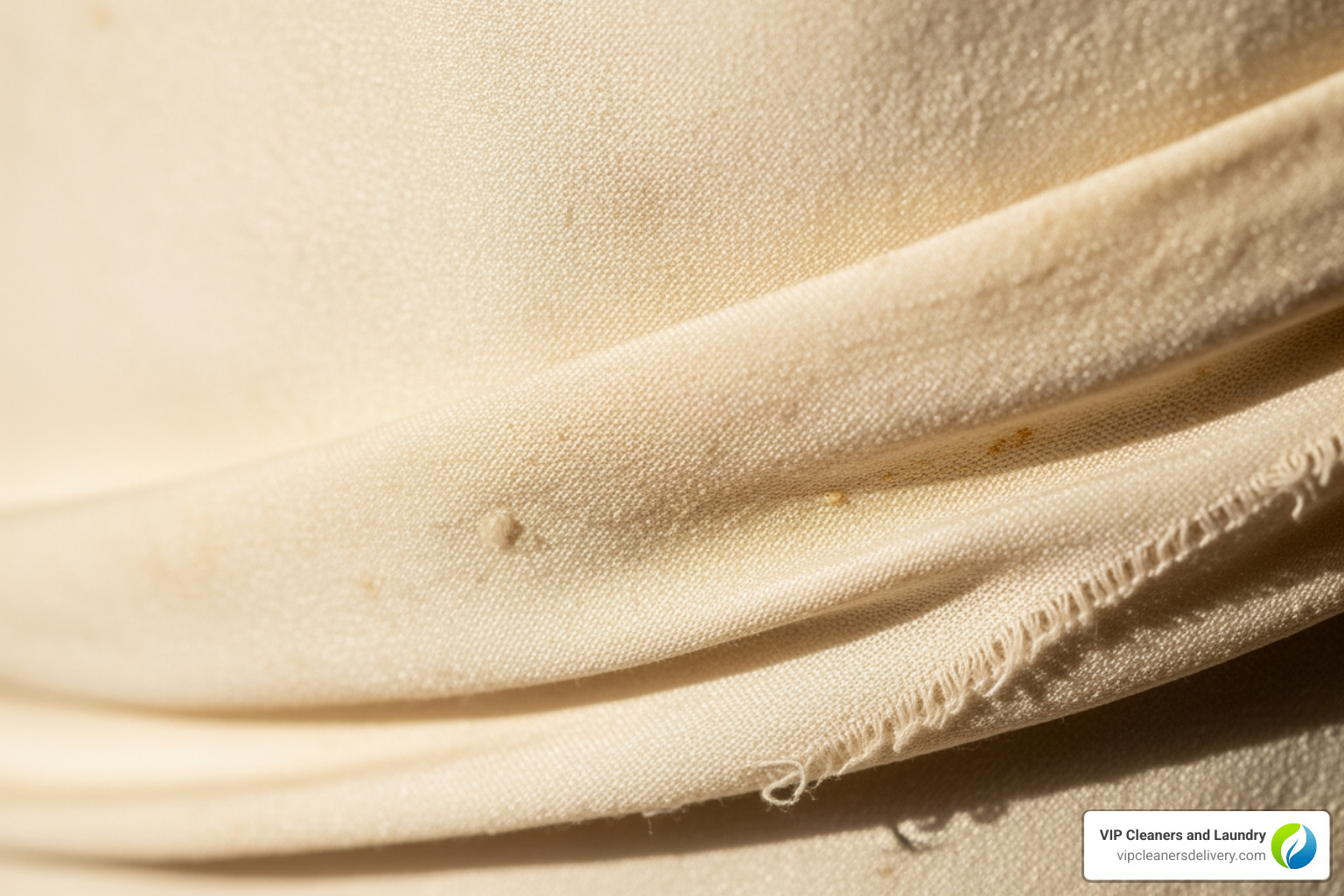
- Foxing: Tiny brown spots caused by fungal growth or cellulose transfer from old storage boxes.
- Structural Failure: Ripped seams or lace that has detached from the bodice.
Why Vintage Gowns Age: Yellowing, Foxing, and Fabric Decay
Understanding why a dress degrades is the first step to fixing it. The primary culprit is oxidation—the same process that turns a sliced apple brown. When fabric is exposed to air and light over decades, the fibers chemically change. This is often exacerbated by “caramelized sugar stains.” If a bride spilled a bit of champagne or cake 50 years ago, that clear stain has now turned into a dark, stubborn brown spot that is physically bonded to the fabric.
The Role of Previous Storage Methods
Sadly, many of the “preservation” methods used in the mid-20th century actually did more harm than good. Storing a dress in a standard cardboard box (which is acidic) or a plastic bag (which off-gasses harmful chemicals) can accelerate decay. Even the beloved cedar chest can cause “acid burn” if the fabric comes into direct contact with the wood. To understand how modern methods differ, check out our Wedding Dress Preservation Cost Guide.
Identifying Invisible Stains
One of the most dangerous threats to an heirloom gown is the stain you can’t see. Hairspray, perfume, and perspiration salts are often invisible when the dress is first packed away. However, over time, these substances react with the fabric, leading to severe discoloration and fiber rot. At VIP Cleaners, we use multi-spectrum lighting to reveal these hidden dangers before we begin the cleaning process.
The Professional Restoration Process: From Wet Cleaning to Repairs
The “gold standard” for antique wedding dress restoration is professional wet cleaning. While it sounds counterintuitive to put a 100-year-old silk dress in water, our specialized “wet” process uses purified water and neutral organic detergents that are far gentler than dry cleaning solvents.
| Feature | Standard Dry Cleaning | Professional Restoration (Wet Cleaning) |
|---|---|---|
| Method | Machine-based agitation | Hand-bathing in custom tubs |
| Solvents | Perchloroethylene or similar | Organic, pH-neutral solutions |
| Stain Focus | Surface oils and dirt | Deep oxidation and caramelized stains |
| Repairs | Often not included | Extensive hand-stitching and reinforcement |
| Duration | 1-2 weeks | 6-10 weeks |
Our team is proud to follow the standards set by the Dry Cleaning and Laundry Institute (DLI), an organization with over 100 years of expertise in fabric care.
Hand-Cleaning Delicate Embellishments
Antique dresses are often adorned with elements that require extreme caution. Metal-backed buttons, for example, must often be removed before cleaning to prevent rust from bleeding into the fabric. We also handle bead re-threading and lace reinforcement. For more on how we blend cleaning with structural care, see our guide on Wedding Dress Repair and Cleaning.
The Timeline for Professional Antique Wedding Dress Restoration
Patience is a virtue in restoration. The process typically takes 6 to 10 weeks. This includes:
- The Evaluation Phase: A detailed inspection and “spot testing” of fabrics.
- Multiple Soakings: We often soak a gown for days or even weeks in gentle solutions to lift deep-set yellowing.
- The Rinse and Dry: Multiple gentle rinses followed by controlled air-drying to prevent shrinkage.
- Final Hand-Pressing: Using specialized equipment to restore the gown’s silhouette without flattening the delicate lace.
Modernizing and Altering Your Heirloom Gown
Many modern San Diego brides want to honor their heritage while expressing their own style. Restoration often goes hand-in-hand with restyling. We’ve seen stunning transformations where heavy 1980s sleeves are removed to create a sleek sleeveless look, or high Victorian necklines are lowered for a more contemporary feel. If you’re in the area, our San Diego Wedding Dress Alterations team can help you visualize these changes.
Sizing and Structural Limitations
It is important to be realistic about alterations. Vintage fabrics are often more fragile than modern ones, meaning there is a limit to how much they can be let out or taken in. A general rule of thumb is that a dress can safely be altered within two sizes. Beyond that, you risk compromising the integrity of the fabric. Finding a specialist is key; we recommend our Ultimate Bridal Seamstress Near Me Guide for help finding the right expert.
Incorporating Vintage Elements into New Designs
If a gown is too damaged for a full restoration, don’t lose heart! We can often harvest the “healthy” parts of the dress—like lace appliqués or hand-made buttons—and incorporate them into a new, custom gown or a modern veil. This is a beautiful way to maintain sentimental value while ensuring you feel comfortable and confident on your big day.
Choosing a Specialist and Preserving the Results
When choosing a service for your antique wedding dress restoration, look for a provider that offers a 100-year guarantee against future yellowing. This ensures that the work done today will protect the gown for your own children and grandchildren. Reputable specialists use only acid-free, pH-neutral materials and museum-quality muslin for packing. For a deeper look at what to look for, see our guide on The Ultimate Guide to Finding Reputable Wedding Dress Cleaners.
Long-Term Storage Best Practices
Once your dress is restored, keeping it that way requires proper storage.
- Avoid Attics and Basements: These areas have extreme temperature and humidity fluctuations.
- Use Acid-Free Boxes: Never use standard cardboard or plastic bins.
- Periodic Inspection: We recommend checking on your gown every few years to ensure no new issues have developed.
Shipping and Handling for Restoration
If you aren’t located near our San Diego, La Jolla, or Poway locations, we offer “CleanByMail” services. This includes a pre-paid shipping kit with insurance coverage and “white-glove” handling from the moment it leaves your door to the moment it returns in its preservation chest.
Frequently Asked Questions about Antique Gown Care
Can a dress that has turned completely yellow be restored to white?
In many cases, yes! While “pure white” may not always be achievable (or historically accurate for some fabrics), we can almost always return a gown to a beautiful, vibrant ivory or off-white. The success depends on the fiber type and the extent of the oxidation.
Is it safe to attempt DIY cleaning on a 50-year-old gown?
We strongly advise against it. Household detergents and bathtubs aren’t equipped to handle the delicate chemistry of vintage textiles. One wrong move can cause “shattering,” where the fabric literally disintegrates in the water.
What is the average cost of a full professional restoration?
While we don’t list specific prices here due to the unique nature of every dress, restoration is an investment in an heirloom. Factors that influence the cost include the age of the gown, the level of staining, and the complexity of the beadwork or lace.
Conclusion
At VIP Cleaners and Laundry, we believe that your wedding dress is more than just fabric—it’s a piece of your family history. As the Best of San Diego Magazine 2025 winner, we are committed to providing the highest level of care for your heirloom gown. From our eco-friendly solvents to our convenient free pickup and delivery throughout San Diego, Point Loma, Pacific Beach, and beyond, we make the restoration process seamless and stress-free.
Ready to bring your vintage gown back to life? Trust the Professional Wedding Dress Cleaners at VIP Cleaners and Laundry to handle your “vintage vows” with the respect they deserve.