Why Custom Suit Alterations are Worth the Investment
Why Formal Wear Alterations Make or Break Your Look
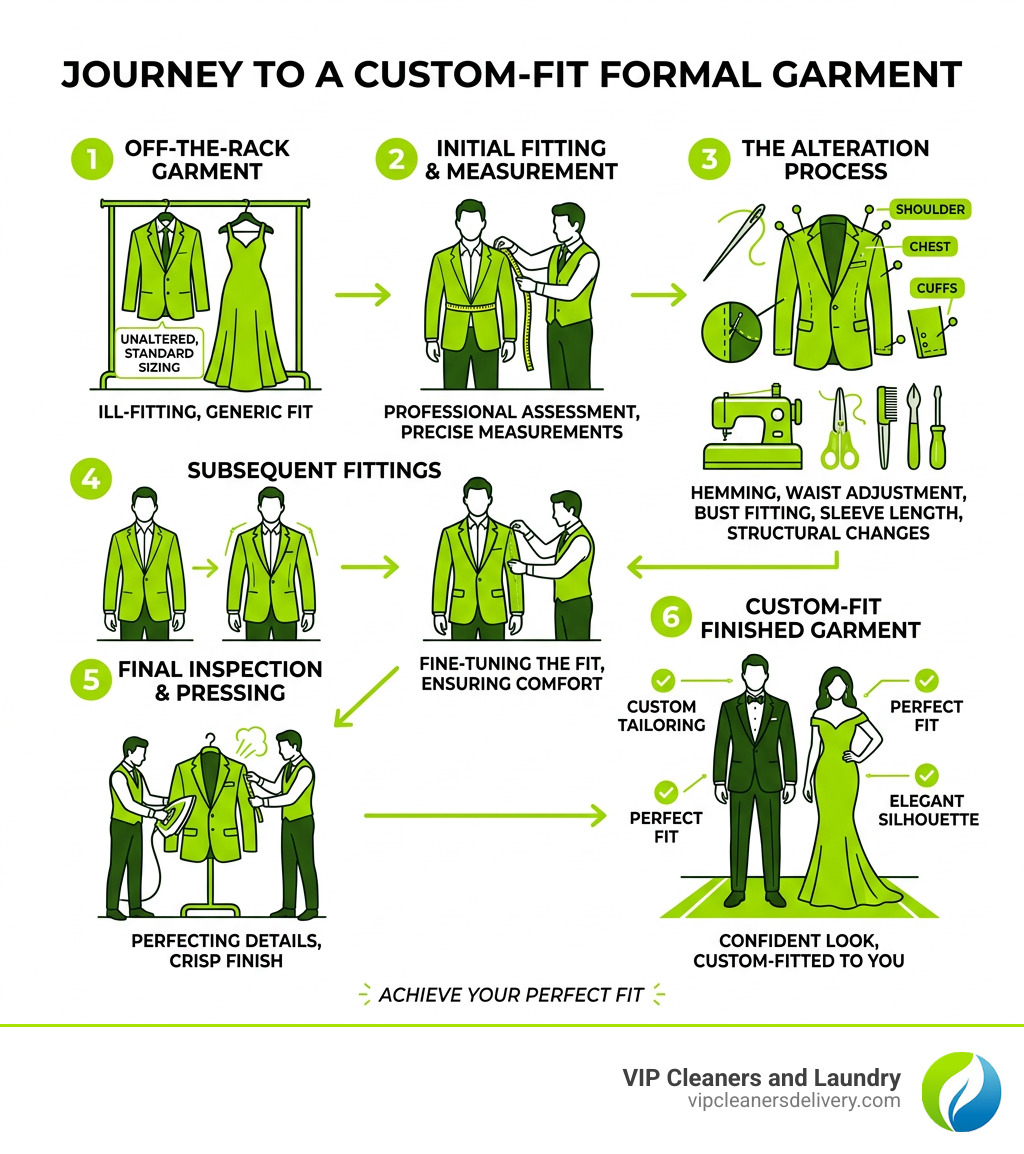
Formal wear alterations are the process of adjusting a purchased garment — like a gown, tuxedo, or suit — so it fits your exact body shape. Here’s a quick overview of what you need to know:
- What they cover: Hemming, waist adjustments, bust fitting, sleeve length, zipper replacement, and structural changes
- Who needs them: Almost everyone — most formal garments are made in standard sizes that won’t fit perfectly off the rack
- When to start: 6–10 weeks before your event (earlier for wedding gowns)
- How many fittings: Typically 2–3, sometimes up to 4 for complex gowns
- What to bring: The shoes and undergarments you’ll wear on the day
Finding a suit or gown you love is exciting. But here’s the reality: even the most expensive garment will look off if it doesn’t fit your body. As one expert in the bridal industry put it, a pricey dress looks no better than a cheap one if it hasn’t been properly altered.
Off-the-rack formal wear is designed around a standard set of measurements — not yours. That gap between “standard size” and “your actual body” is exactly where formal wear alterations come in.
I’m Salvador Villarreal, owner of VIP Cleaners and Laundry with over 25 years of experience in garment care — including handling delicate formal wear that demands precision and expertise in formal wear alterations. In that time, I’ve seen how the right fit can completely transform how a garment looks and feels on a person.
The Essential Guide to Formal Wear Alterations
When you step into a boutique in La Jolla or a high-end shop in Mission Valley, you might assume that “Size 8” or “42 Regular” means the garment is ready for the red carpet. However, most gowns are actually “made to order.” This means the manufacturer picks a size based on a chart using your bust, waist, and hip measurements. Because we are humans and not mannequins, one of those measurements usually doesn’t align perfectly with the chart, requiring professional intervention.
Whether you are preparing for a gala at the UTC or a wedding in Point Loma, understanding the scope of formal wear alterations is the first step toward looking your best. For those looking ahead to the latest trends, you can explore More info about 2025 dress tailoring to see how modern silhouettes are changing the way we approach fit.
Distinguishing Basic, Mid-Level, and Complex Adjustments
Not all alterations are created equal. We categorize them into three levels to help you understand the time and expertise required:
- Basic Alterations: These are the bread-and-butter services like hemming trousers or shortening simple straps. If you’ve found a pair of slacks that fit perfectly but are three inches too long, this is a basic fix.
- Mid-Level Adjustments: This includes taking in or letting out side seams, tapering sleeves, or adjusting a waistline. These require opening the garment’s structural seams and re-sewing them to follow your curves.
- Complex Tailoring: This is where the magic happens. We’re talking about bustle installations for wedding gowns, corset conversions (changing a zipper to a lace-up back), or resizing a garment by more than two sizes.
If you’re unsure where your garment falls, visiting a dedicated alteration shop is the best way to get a professional assessment.
Why Designer and Luxury Garments Require Specialized Care
If you’ve invested in a Chanel gown or a bespoke Italian suit, the last thing you want is a “quick fix.” Luxury garments often feature couture construction, which includes internal boning, delicate hand-stitched lace, and specific seam allowances that must be preserved.
Designer pieces are often made with fabrics that don’t “heal” well—meaning if a needle goes in the wrong place, it leaves a permanent mark. Our team takes extra precautions to preserve original labels and design details, ensuring the garment looks like it came from the designer’s atelier specifically for you.
Navigating the Costs and Factors of Formal Tailoring
We often get asked why formal wear alterations cost more than a standard hem on a pair of jeans. The answer lies in the complexity of the “invisible” work.
When we alter a formal gown, we aren’t just sewing a straight line. We may have to remove hundreds of hand-sewn beads, adjust the interfacing (the hidden fabric that provides structure), and then meticulously sew everything back together.
Several factors influence the final investment:
- Fabric Type: Silk, chiffon, and velvet require specialized needles and a much slower sewing pace.
- Embellishments: Every sequin or bead in the path of a new seam must be removed and replaced by hand.
- Number of Layers: A prom dress might have one layer, while a bridal gown can have seven layers of tulle, organza, and satin—each needing its own individual hem.
While costs vary based on the garment’s complexity, you can find More info about suit tailoring costs to help you budget for your next big event. Remember to consider the “cost-per-wear” value; a perfectly tailored suit will be worn far more often than one that pinches at the shoulders.
Mastering the Timeline: Fittings and Turnaround
Timing is everything. We’ve all been there—trying to find a dress two weeks before a wedding. But for formal wear alterations, rushing is the enemy of perfection.
We recommend a 6–10 week window for major formal wear. For brides, this process usually takes about two to three months. According to industry standards, most clients should attend three fittings:
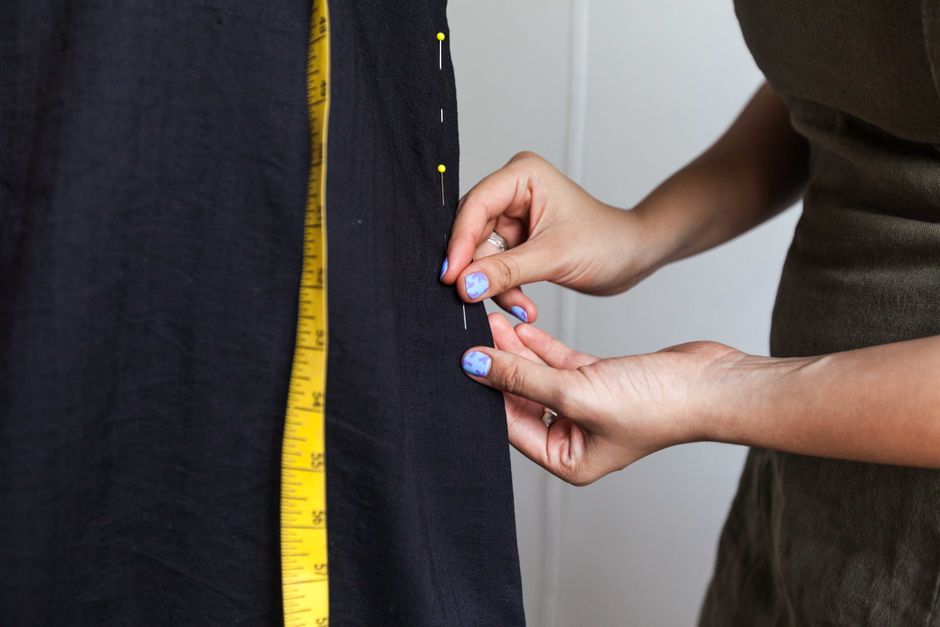
- The First Fitting: Pinning the garment and establishing the “blueprint” for the changes.
- The Second Fitting: Checking the work mid-process (often called a “basted” fitting) to ensure the silhouette is correct.
- The Final Fitting: Trying on the completed garment to ensure every stitch is perfect.
While we offer rush alteration services for those “fashion emergencies” in San Diego, planning ahead ensures you have time for multiple fittings if your weight fluctuates or if you decide to change your shoe height at the last minute.
Preparing for Your Formal Wear Alterations Fitting
To get the most out of your appointment, you need to be prepared. The fit of a dress changes completely based on what is underneath it.
The Absolute Must-Haves for a Fitting:
- The Exact Shoes: Even a half-inch difference in heel height can ruin a hemline.
- Undergarments/Shapewear: If you plan to wear Spanx or a specific push-up bra, you must wear them to every fitting.
- Posture: Stand naturally. If you suck in your stomach or stand extra tall, the garment won’t fit when you’re actually dancing or eating at the event.
For more tips on how to prep, check out our essential guide to finding a San Diego tailor.
Specialized Services for Men’s Formal Wear
Gentlemen, don’t think for a second that alterations are just for the ladies. A tuxedo off the rack is just a suggestion; a tailored tuxedo is a statement. Whether you’re heading to a gala in Pacific Beach or a corporate event in Poway, San Diego suit alterations are essential for a sharp silhouette.
Our menswear tailoring services focus on the “Golden Trio” of suit fit: the shoulders, the waist, and the length.
Precision Techniques in Men’s Formal Wear Alterations
- Sleeve Length: You should always show about a half-inch of shirt cuff. We specialize in tailoring jacket sleeves, even those with functional “surgeon’s cuffs.”
- Waist Suppression: This removes the “boxy” look from a jacket, creating a flattering V-taper.
- Trouser Break: Whether you want a “no break” look for a modern vibe or a “full break” for a traditional aesthetic, we ensure your trousers hit exactly where they should.
- Neck Roll Removal: That annoying bunching of fabric behind your neck? We can fix that by adjusting the jacket’s pitch.
Sustainability and Long-Term Garment Preservation
In a world of fast fashion, formal wear alterations are a powerful act of sustainability. Research from the Ellen MacArthur Foundation found that extending a garment’s active use by just nine months can reduce its environmental footprint by 20-30%. By tailoring a high-quality garment to fit you perfectly, you are much more likely to keep it for years rather than discarding it.
This is especially true for vintage pieces. If you’ve inherited a beautiful vintage gown or a classic military uniform, our San Diego military alterations and restoration services can breathe new life into these treasures.
Vintage Alteration Dos and Don’ts:
- Do have the garment professionally cleaned before alterations.
- Don’t assume old fabric has the same “give” as modern materials.
- Do preserve original buttons and zippers whenever possible.
- Don’t attempt a DIY fix on delicate, aged silk.
Once the event is over, we recommend acid-free tissue and specialized storage to prevent yellowing or structural damage over time.
Frequently Asked Questions about Formal Tailoring
Are appointments necessary for formal wear alterations?
While some shops in San Diego accept walk-ins, we highly recommend scheduling a private fitting. This ensures you have the undivided attention of the tailor and a private space to change. During peak prom and wedding seasons, our schedule fills up fast! If you’re in a pinch, you can look into emergency dress alterations to see how we handle tight deadlines.
How do fabric types like silk and sequins affect the process?
Fabric is the biggest variable in formal wear alterations.
- Silk/Chiffon: These are slippery and prone to puckering. They require a very fine needle and a steady hand.
- Sequins/Beading: These are “needle killers.” We often have to remove the beads by hand, sew the seam, and then re-bead the area so the seam is invisible.
- Lace: Shortening a lace hem often requires “lifting” the lace from the waist or meticulously cutting and reapplying the scalloped edge to the new hemline.
If you need a minor fix fast, see how to do a quick alteration, but for formal fabrics, we always recommend the professional route.
What are the risks of cheap or rushed formal alterations?
We’ve all been tempted by a bargain, but “cheap” can be very expensive in the long run. Inexperienced tailors may cut corners—literally—by trimming away seam allowance that you might need later if your weight changes.
Common risks include:
- Uneven Hems: Especially on circular skirts or multi-layered gowns.
- Structural Failure: If a zipper isn’t reinforced properly, it could pop during your event.
- Fabric Damage: Using the wrong needle size can leave permanent holes in satin or silk.
If you’ve had a bad experience elsewhere, we offer zipper repair and corrective tailoring to fix mistakes made by cheap clothing alterations.
Conclusion
At VIP Cleaners and Laundry, we believe that you deserve to feel as good as you look. Whether it’s a tuxedo for a gala or a bridesmaid dress for a beach wedding, our expert team is here to provide the precision and care your garments deserve. We are proud to serve the communities of Point Loma, Pacific Beach, Mission Valley, La Jolla, Poway, and UTC with eco-friendly cleaning and top-tier tailoring.
Our commitment to excellence is why we are honored to have been named a Best of San Diego Magazine 2025 winner. We combine 25 years of tradition with modern, sustainable methods to ensure your formal wear is ready for its moment in the spotlight.
Don’t leave your fit to chance. Schedule your formal wear alterations today and experience the difference that a master tailor can make. From same-day service to free pickup and delivery, we make looking flawless easier than ever.