How to clean white clothes that have turned pink: Fix 2025
The Pink Laundry Disaster: What to Do When Your Whites Turn Pink
Learning how to clean white clothes that have turned pink is easier than you think, but speed is your best friend. Finding your whites stained pink from a stray red sock or new garment is a common laundry mishap. The key is to act fast.
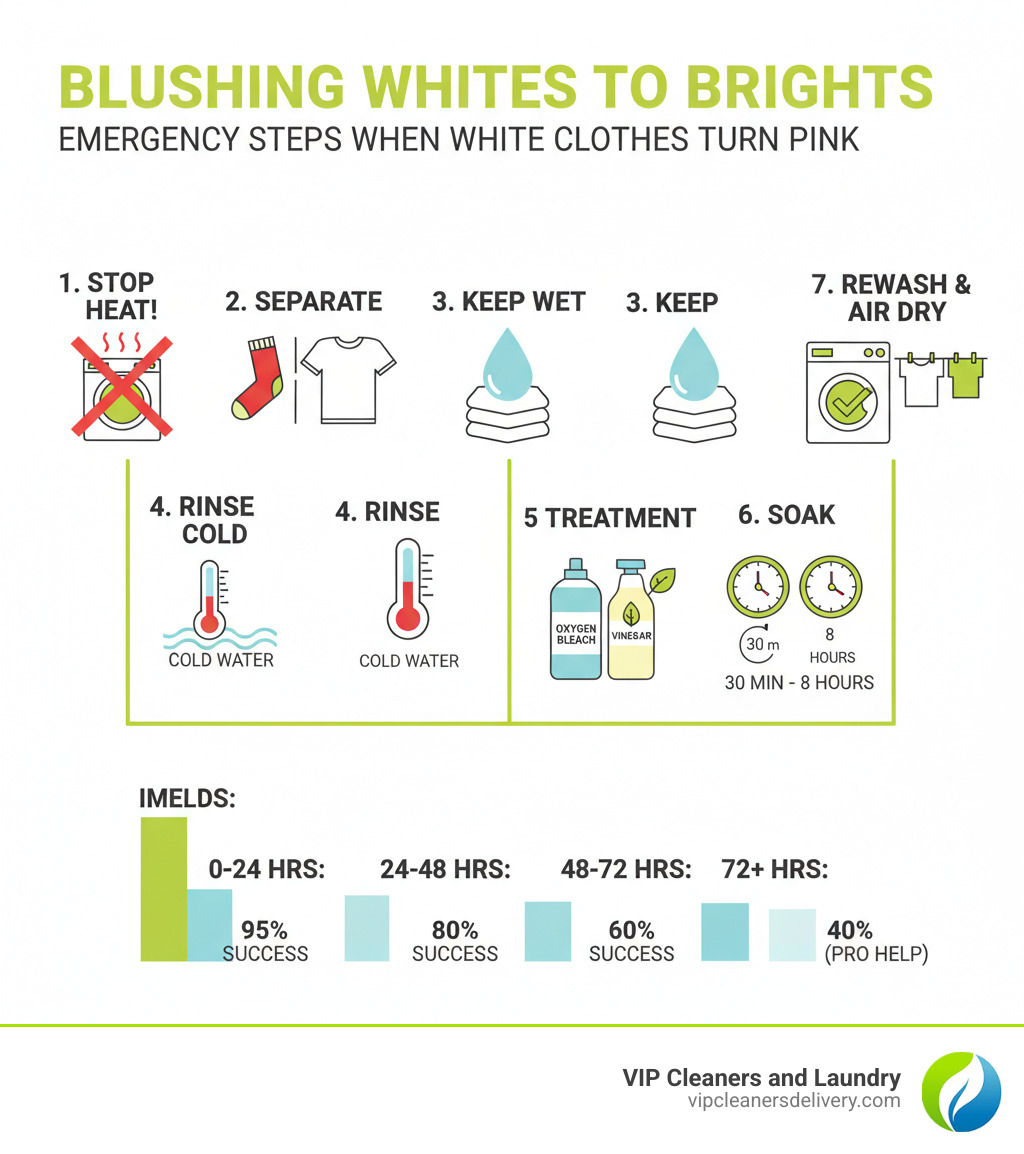
Quick Action Plan:
- Do NOT put clothes in the dryer—heat permanently sets dye.
- Remove the colored item that caused the bleeding.
- Keep the affected clothes wet to prevent the stain from setting.
- Rinse in cold water immediately to flush out loose dye.
- Soak in an oxygen bleach or vinegar solution.
- Rewash with detergent and check before drying.
The most important rule: Treat stains within 24 hours. Professional cleaners report a 95% success rate with stains treated within 24 hours, but this drops to just 40% for stains older than 72 hours. Over time, dye particles embed into fabric fibers, causing permanent discoloration.
I’m Salvador Villarreal, owner of VIP Cleaners and Laundry. With over 25 years in the dry cleaning industry, I’ve mastered every technique for how to clean white clothes that have turned pink. I’ve helped countless San Diego residents save their favorite garments, and I’m here to share those proven solutions with you.
Why Your White Clothes Turned Pink
Understanding why your whites turned pink is the first step to fixing the problem and preventing it in the future. The main culprit is color transfer from red or pink garments mixed into your white laundry.
Color bleeding happens when dyes escape from colored items and attach to the fibers of white fabrics. This is often caused by direct dyes, which are common in red and pink clothing. These dyes don’t always stay put, especially if a manufacturer didn’t fully set the dye or if the garment was “over-dyed” with excess color waiting to wash out.
New clothes are notorious for bleeding during their first few washes. It can take several cycles before the excess dye stops releasing, so that new red shirt is a prime suspect.
Hot water washing makes the problem worse. Heat opens up fabric fibers, causing dyes to release more freely. Washing already-stained whites in hot water can permanently set the unwanted pink dye, turning a fixable issue into a permanent one. In contrast, cold water helps keep fabric fibers closed, reducing the risk of color bleeding. This is why washing new colored items separately in cold water is a crucial preventative step.
Act Fast: The First Crucial Steps
If you find your whites have turned pink, acting quickly can reverse the damage. The next few minutes are critical for saving your garments.

The single most important rule is: Do not put the clothes in the dryer. The heat from a dryer acts like a permanent seal, binding the pink dye to the fabric fibers. Once set by heat, the stain becomes nearly impossible to remove.
Instead of drying, take these immediate steps:
- Find and remove the offending item—the red sock or colored shirt that caused the problem.
- Keep the affected clothes wet. Dry fabric allows the dye to set deeper, making removal harder. If you can’t treat them immediately, leave them in a basin of cold water.
- Rinse thoroughly in cold water. This helps flush out loose dye particles before they can bond with the fabric. Avoid hot water, which can set the stain.
- Check the care labels. Before starting any treatment, know your fabric’s limits. Cotton can handle stronger treatments than silk or wool. For help decoding symbols, consult a handy guide to clothing care labels.
Following these first steps sets you up for success in learning how to clean white clothes that have turned pink.
How to Clean White Clothes That Have Turned Pink: Your Battle Plan
With the initial damage controlled, it’s time for the real solutions for how to clean white clothes that have turned pink. You have several effective options, from gentle household remedies to stronger commercial products. Choose the right method for your fabric by checking the care label, and remember that acting within 24 hours gives you the best chance of success.
Effective Bleach-Free Methods for Removing Pink Dye
For most washable fabrics, these gentler methods are highly effective and safe.
- Oxygen Bleach: Also known as non-chlorine or color-safe bleach, this is a go-to for stain removal. It’s safe for most washable fabrics except wool or silk. Mix a scoop of powder per gallon of warm water and submerge the garments. Soak for 30 minutes to 8 hours, depending on severity. Rinse and wash as usual. For more tips, see our guide on how to wash white clothes reviving the brightness in your fabric.
- White Vinegar: The acetic acid in vinegar helps break down dye particles. Add one to two cups of distilled white vinegar to a gallon of cold water. Soak items for at least 30-60 minutes, then rinse and wash.
- Baking Soda and Vinegar: For a powerful natural soak, combine one cup of baking soda and one cup of white vinegar in a gallon of water. Soak whites for about an hour before washing.
- Hydrogen Peroxide: Mix a half-cup of 3% hydrogen peroxide with one gallon of water. Soak items for 15-20 minutes, then rinse thoroughly. This is effective on cotton and other natural fibers.
- Biological Laundry Detergent: The enzymes in these detergents can help break down dye molecules. Soak items in a solution of detergent and warm water for an hour, then wash normally.
Using Bleach Safely to Remove Pink Dye
For stubborn stains on durable fabrics, chlorine bleach is a powerful option, but it must be used carefully.
First, confirm your fabric is bleach-safe. Cotton, linen, polyester, and rayon are generally safe, while wool, silk, and spandex should never be bleached. Check the care label for a triangle symbol (a crossed-out triangle means “do not bleach”). Always perform a bleachability test on a hidden seam first: apply a drop of diluted bleach (1 tsp bleach to 1/4 cup water), wait one minute, and rinse. If there’s no damage or color change, you can proceed.
- Diluted Bleach Soak: For a controlled treatment, add ¼ cup of chlorine bleach to one gallon of cold water in a plastic basin (never metal). Wearing gloves in a well-ventilated area, submerge the item for no more than five minutes. Swirl occasionally. After soaking, rinse thoroughly and wash as usual. You can repeat with a fresh solution if needed.
- Machine Washing with Bleach: If all items in the load are bleach-safe, add your regular detergent and ¾ to 1 cup of chlorine bleach to the bleach dispenser and run a normal wash cycle.
Chlorine bleach is a powerful tool in a cleaner’s arsenal. For more stain-fighting tips, see our stain solutions 101 your go to guide for dry cleaning excellence in san diego.
Troubleshooting and Prevention
Even with the right steps, some pink stains can be stubborn. But don’t give up. Once you’ve won the battle, a few new habits can prevent it from happening again.

What to Do if the Pink Dye Remains
If your first attempt doesn’t work, you still have options.
- Repeat the process: Stubborn stains may need a second treatment. Always use a fresh solution, as the old one is saturated with dye.
- Try a different method: If oxygen bleach didn’t work, try vinegar and baking soda. If the fabric is bleach-safe, you might need to escalate to a diluted chlorine bleach solution.
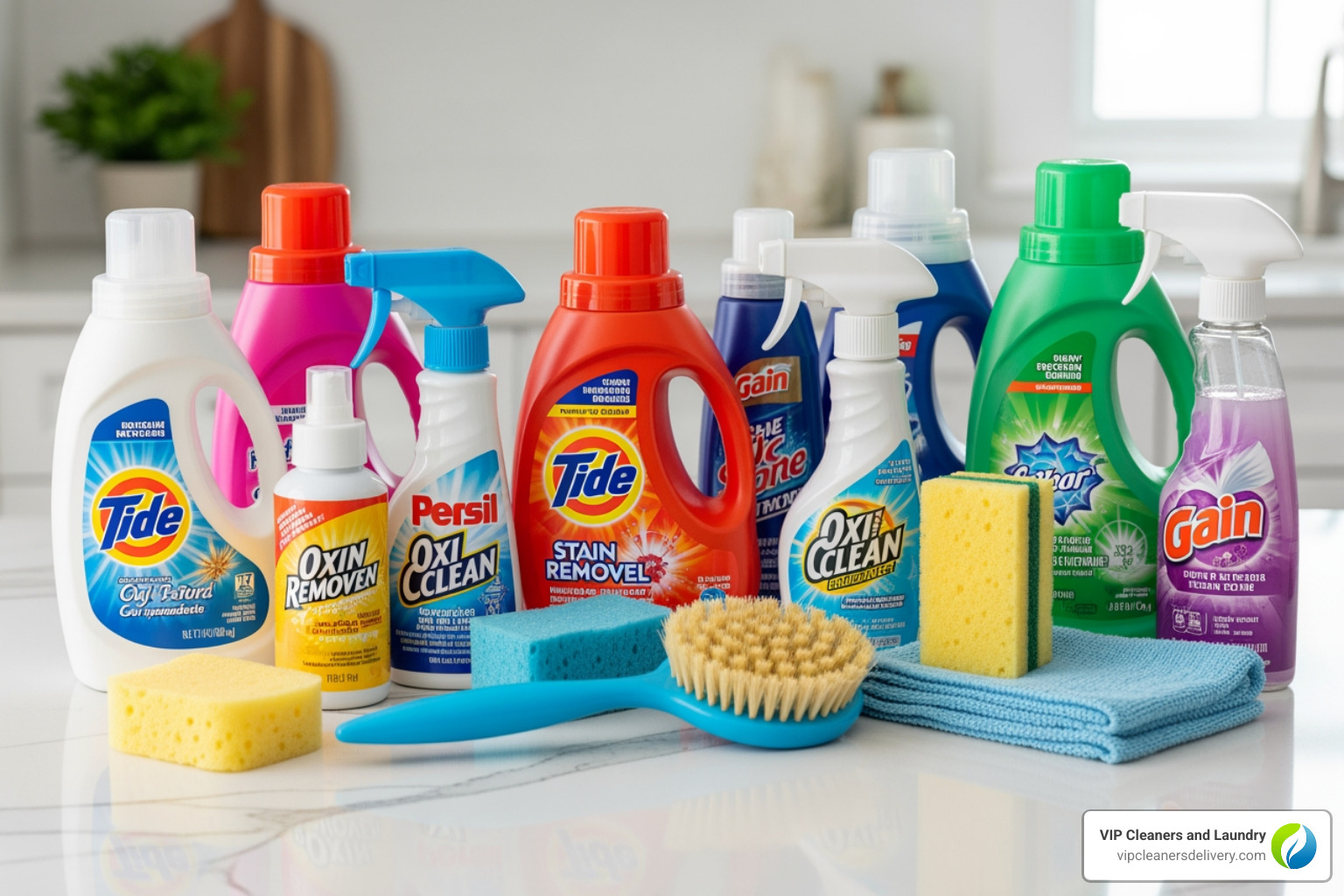
- Use a commercial color remover: These products are specifically formulated to strip unwanted dye and can be effective when home remedies fail. Follow package directions and test on a hidden spot first.
- Keep air-drying: Do not use a machine dryer. Heat will permanently set any remaining tint. Air drying in the sun can provide a gentle, natural bleaching effect.
How to Prevent White Clothes From Turning Pink
Prevention is far easier than a cure. Adopt these simple habits to avoid future color-bleeding disasters.
- Sort laundry: Keep whites completely separate from colors, especially reds and new garments.
- Wash new clothes separately: New items are most likely to bleed dye, so wash them alone for the first few cycles.
- Use cold water: Hot water encourages dye to release. Cold water is safer for most loads and helps preserve colors.
- Use color catcher sheets: These sheets trap loose dye in the wash water before it can stain other clothes.
- Don’t overload the washer: A properly filled machine allows water to circulate freely, reducing dye transfer.
For more detailed guidance, check out our tips for preserving colors while washing your clothes.
When to Consider Professional Cleaning
Sometimes, the best move is to call an expert. Consider professional help in these situations:
- The stain is stubborn: If you’ve tried multiple home remedies without success, it’s time for professional-grade solutions.
- The stain is old: Success rates drop significantly after 72 hours. If it’s been a few days, bring it to a professional immediately.
- The fabric is delicate: Wool, silk, and other delicate materials require special care. Our eco-friendly dry cleaning methods are designed for these fabrics.
- The item is valuable or sentimental: Don’t risk a DIY experiment on an irreplaceable garment.
- The label says “Dry Clean Only”: Trust the label. Water-based treatments can ruin these items.
At VIP Cleaners in San Diego, we’ve successfully treated countless color-bleeding disasters. Learn more about choosing the right dry cleaner for your clothes.
Frequently Asked Questions about Removing Pink Stains
Here are answers to the most common questions we get from San Diego residents about this frustrating laundry mishap.
Why is it important not to dry white clothes that have turned pink?
The heat from a dryer will permanently set the dye into the fabric fibers. Once heat is applied, the dye bonds with the fabric, making the stain nearly impossible to remove, even for professionals. Always air-dry the clothing until you are 100% certain the stain is gone.
How long should I soak pink-stained white clothes?
Soaking time depends on the method and the severity of the stain.
- Oxygen Bleach: 30 minutes to 8 hours for stubborn stains.
- Vinegar/Baking Soda: 30 to 60 minutes.
- Chlorine Bleach (for bleach-safe fabrics only): A maximum of 5 minutes.
Always check the garment periodically during any soak to monitor progress.
What should I do if the pink dye remains after the first treatment?
Don’t give up. First, try repeating the treatment with a fresh solution. If that doesn’t work, switch to a different method (e.g., from oxygen bleach to a vinegar soak). You can also try a commercial color remover, following the package directions carefully. If the stain persists, or if the item is delicate or valuable, it’s time to seek professional help. For guidance, see our advice on choosing the right dry cleaner for your clothes.
Restore Your Whites and Reclaim Your Laundry Day
Finding your whites turned pink is frustrating, but now you have a complete arsenal to tackle this common laundry mishap. Remember these key strategies for how to clean white clothes that have turned pink:
- Act Fast: Treat stains within 24 hours for the best chance of success.
- Avoid Heat: Never put stained items in the dryer. Heat sets dye permanently.
- Choose the Right Method: Use gentle options like oxygen bleach or vinegar first. Use diluted chlorine bleach only on safe fabrics for stubborn stains.
- Prevent Future Mishaps: The best cure is prevention. Sort your laundry, wash new colors separately, and use cold water. Find more strategies in our tips for preserving colors while washing your clothes.
If you don’t have time or are dealing with a stubborn stain on a delicate garment, professional help makes all the difference. Our team at VIP Cleaners and Laundry in San Diego specializes in rescuing clothes from dye disasters with advanced, eco-friendly methods. With same-day service and free pickup and delivery, we make it easy to restore your whites.
With prompt action and the right approach, those pink stains don’t stand a chance. Ready to get back to worry-free laundry? Find expert wash and fold services near you and let VIP Cleaners and Laundry bring your whites back to life.